The most talented athlete does not matter if he is unavailable.
At higher levels of football, development favors athletes who stay on the field, not just those with
the highest ceiling.
Durability Is a Trained Quality
Injuries are often treated as random. In reality, durability is strongly influenced by training
exposure and preparation.
Athletes break down when training demands exceed tissue tolerance.
That tolerance must be built progressively.
Why Avoiding Speed Can Increase Injury Risk
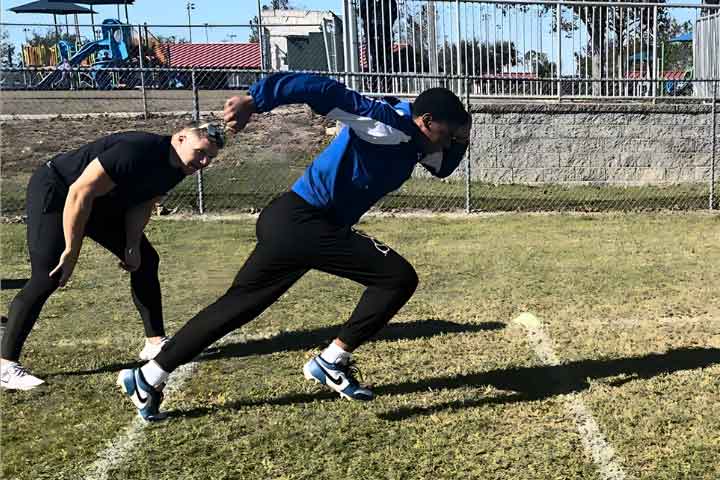
One of the most common mistakes in football training is reducing sprint exposure to stay safe.
High speed sprinting conditions hamstrings, improves tendon stiffness, and builds resilience.
When sprint exposure drops too low, tissues lose tolerance. When game speed returns
suddenly, injury risk increases.
Avoiding speed does not protect athletes. Intelligent exposure does.
Load Management Versus Undertraining
Elite programs do not eliminate stress. They manage it.
Too much load breaks athletes down.
Too little load leaves them unprepared.
Durability sits in the middle where exposure is progressive and recovery is respected.
Why Availability Compounds
Athletes who stay healthy:
● Accumulate more quality reps
● Improve skill consistency
● Build confidence over time
● Develop faster long term
Availability creates momentum that compounds year after year.
Practical Takeaway
Health is not passive.
It is built through smart exposure and intelligent recovery.
Athletes who stay available give themselves the longest runway for development.